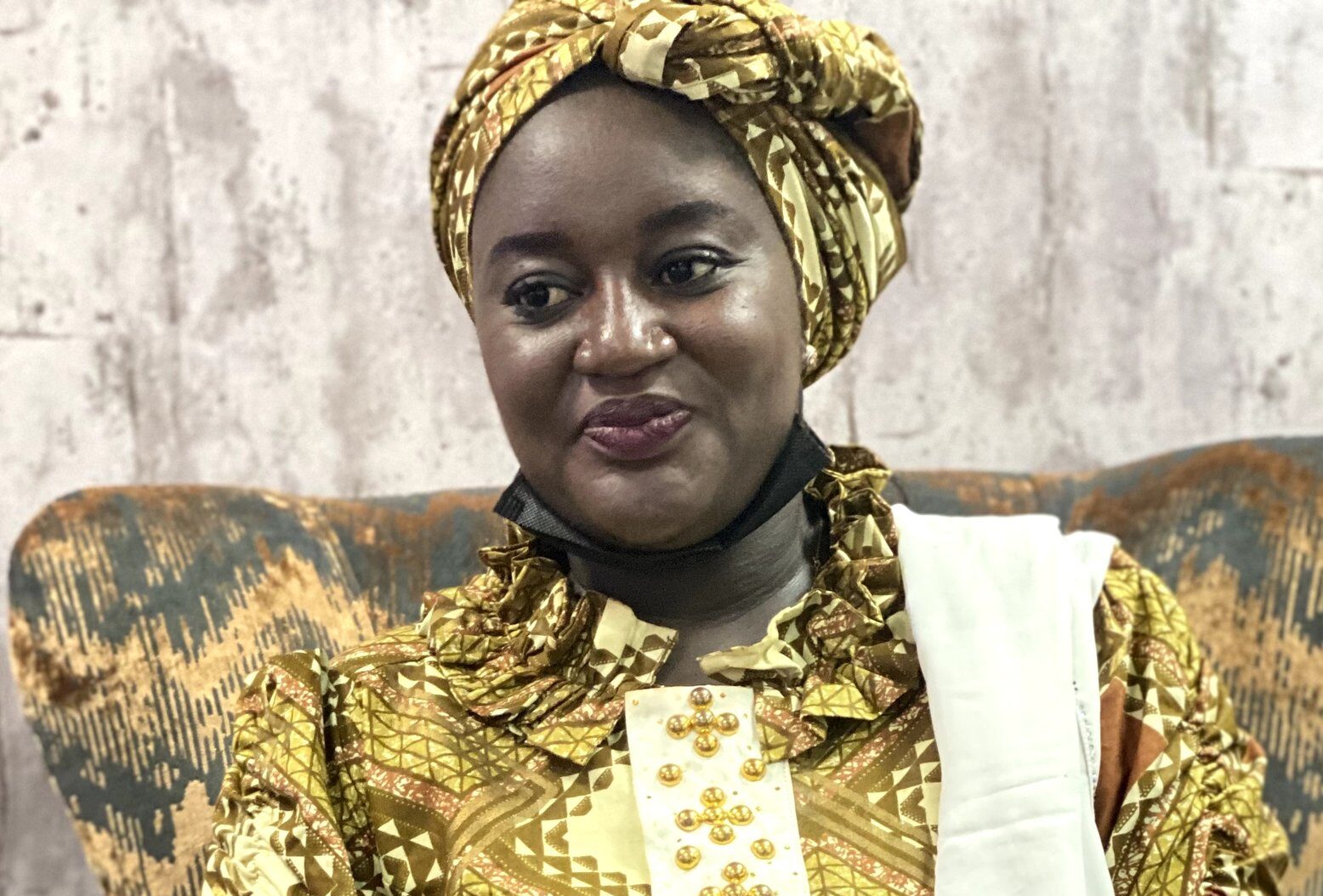
Economic recoveries are rarely announced with fireworks. They show up quietly — in a stabilising currency, in revenue figures that beat expectations, in the tone international partners use when they talk about your country. Speaking on Asaase Radio in October 2024, Hajia Rabi Salifu argued that Ghana had reached exactly that quiet turning point.
The occasion was news of another successful staff-level agreement between Ghana and the International Monetary Fund under the country’s support programme — a milestone that unlocks the next tranche of support and, just as importantly, signals to markets that the recovery plan is holding.
“It’s so refreshing to sit back and admire the level of confidence Ghana is actually gathering across the globe.”
Hajia Rabi did not pretend the road had been smooth. She recalled the darkest stretch of the crisis, when commentators at home and abroad were predicting outright collapse and the national mood had turned deeply pessimistic. What mattered, she argued, was how the country responded — and how quickly.
She pointed to the speed of the very first staff-level agreement, reached in under three months, as early evidence that Ghana’s engagement with the Fund was serious and disciplined, and she credited the country’s economic managers for keeping the programme moving from milestone to milestone since.
Looking Inward, Not Just Outward
The part of the story she found most encouraging, however, had nothing to do with external support. It was the growth in Ghana’s own revenue mobilisation — the Ghana Revenue Authority’s dramatic multiplication of tax collection. For Hajia Rabi, that shift from dependence toward domestic capacity is the real foundation of a lasting recovery: aid and programmes end, but a country that funds itself controls its own future.
“What actually makes me so happy is the fact that we have turned to look inwardly… So for me, yes, we are on a very good course.”
Her message to Ghanaians was one of confidence without complacency: the sacrifices of the crisis years were producing measurable results, and the task now was to protect those gains — by staying the course on discipline, revenue and the confidence of citizens and investors alike.
Based on her interview on Asaase Radio’s Big Bulletin, 6 October 2024, as reported by Asaase Radio (article by Leroy Hawkson).
← Back to all news